Garlic Bouquets, Broom Jumping & Other Old Wedding Traditions
Weddings haven’t always looked the way they do now.
Before carefully planned colour palettes and printed schedules, they were shaped by belief, practicality, and whatever people had to hand.
- Some traditions were meant to protect.
- Some were meant to bring luck.
- And some simply stuck because “that’s how it’s always been done.”
Here are a few that have quietly faded, but still say a lot about how people once lived, loved, and made sense of the world around them.
Here are a few that have quietly faded—but still say a lot about how people once understood marriage.
Here are a few that have quietly faded, but still say a lot about how people once lived, loved, and made sense of the world around them.
Garlic in the Bouquet
Not all wedding bouquets were flowers.
Some included garlic, herbs, or other strong-smelling plants—not for decoration, but for protection.
These scents were believed to ward off illness, bad luck, or anything unseen that might interfere with the day.
Romantic? Not quite. Practical? Absolutely.
Jumping the Broom
Some couples quite literally jumped into marriage.
Jumping over a broom was a way of marking a union, especially when formal ceremonies weren’t possible.
It was simple, symbolic, and didn’t require a church, paperwork, or permission.
One jump, and you were married.
Stockings Cut for Luck
In parts of Europe, the groom would remove the bride’s garter or stocking and cut it into pieces.
Guests would scramble for a piece, believing it brought good fortune.
Not particularly elegant—but very memorable.
Not Always White
Before 1840, wedding dresses were rarely white. Brides simply wore their best dress—often in blue, red, or even black—something practical they could wear again.
Some colours carried meaning, but there was no fixed tradition. White only became popular after Queen Victoria made it fashionable.
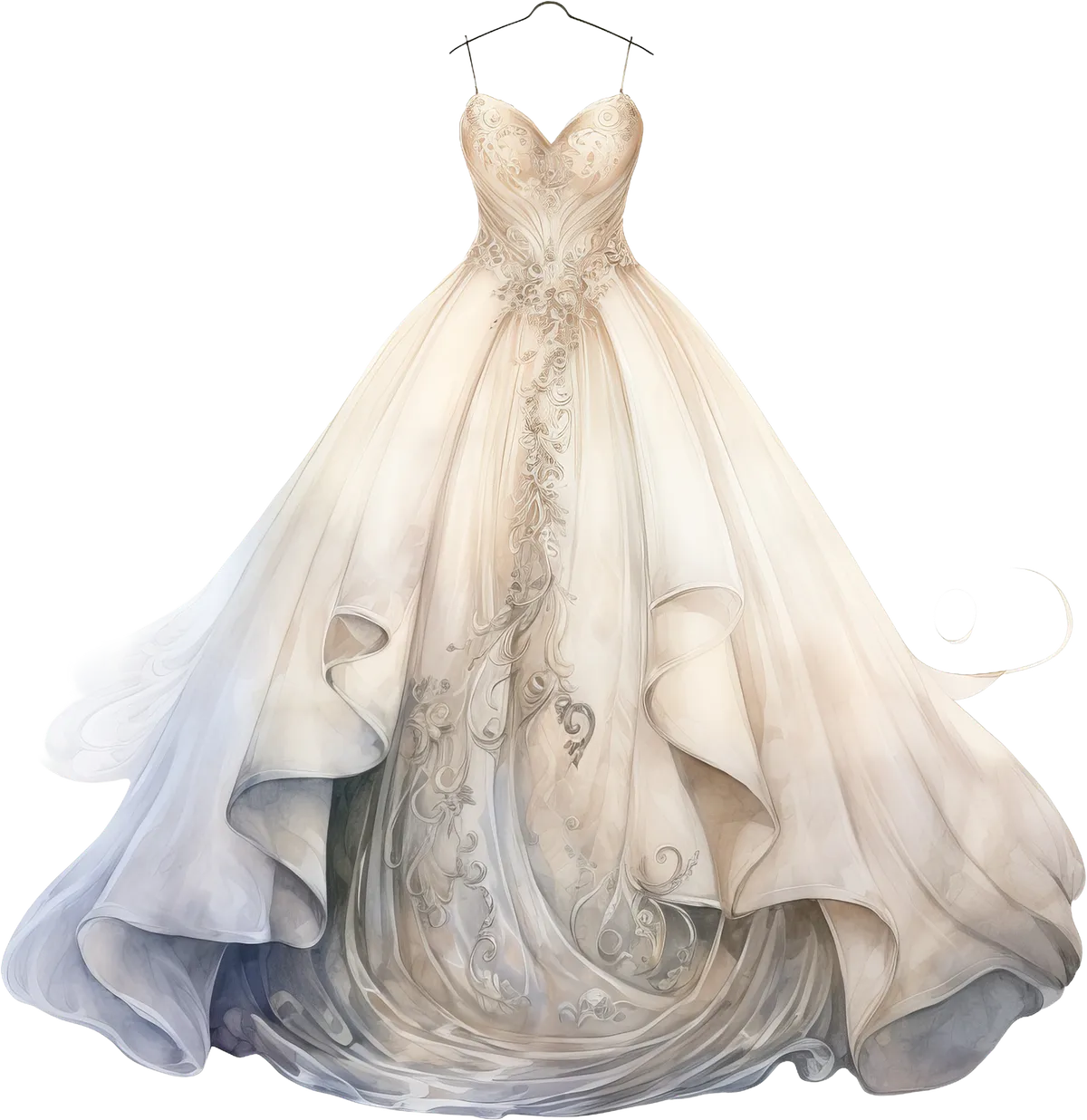
White wasn’t tradition. It was fashion that stayed.
Breaking Bread Over the Bride
In some traditions, bread or cake was broken over the bride’s head.
The crumbs were thought to bring fertility and prosperity.
Practical? Debatable. Symbolic? Very.
Morning Gifts & Practical Beginnings
In some traditions, the groom would give a “morning gift” the day after the wedding.
Morning gifts weren’t always romantic. They were often practical—money, jewellery, land, or goods that offered security and stability. In many cases, they served as a form of protection for the bride’s future, rather than a token of affection.
Marriage, after all, was as much about survival as it was about sentiment.
These traditions might seem strange now, but most of them had a purpose—protection, luck, or simply making sense of the world with what was available.
And in their own way, they tell a quieter story about weddings—one built on belief, habit, and hope.
If you enjoy this kind of history you can hold, I’ve gathered a selection of these traditions (and a few others) into a tiny foldable book you can print, keep, or tuck into a journal.