Keeping Coins Without Keeping Coins
Over the years, most of us accumulate coins. From family, from travel, from the bottom of old bags.
They're too interesting to throw away and too awkward to store properly.Coin rubbing is one answer to that problem.
Coin rubbing preserves the design without preserving the weight.
What Coin Rubbing Actually Is
Coin rubbing captures the raised surface of a coin onto paper by shading over it with a pencil, crayon, or charcoal. The highest points darken first, revealing the image beneath.
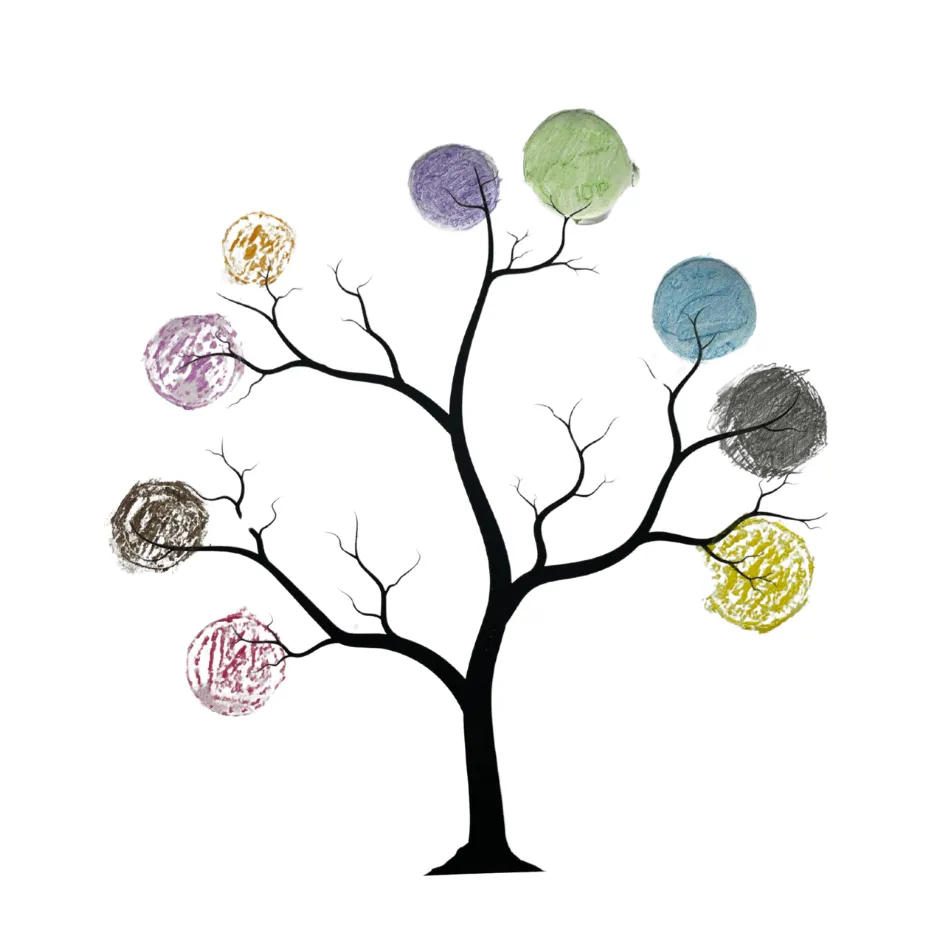
It requires no equipment beyond what most people already have.
Coin Rubbing - It's Much Older Than It Looks
The method itself is very old. Long before photography, scholars in China made “rubbings” of carved stone inscriptions by pressing paper into the surface and applying ink. The result was a faithful copy of the raised details.
Coins are simply miniature relief sculptures, so the same principle applies.
Collectors later used rubbings to record coins that were rare, fragile, or not theirs to keep. Victorian brass rubbing in churches belongs to the same family of techniques.
Why It Works So Well
Coins are awkward objects. They are heavy, small, and numerous. They are hard to store.
A page of rubbings, however, weighs almost nothing and can be stored flat. It creates a record that is easy to label, sort, or revisit later.
For travellers, it replaces a pocket full of foreign currency. For collectors, it provides a quick catalogue. For anyone else, it simply turns loose change into something intentional.
There is also something quietly absorbing about the process. It requires attention without strain — a useful combination.
A Record Of Ordinary Objects
Coins are designed to represent something: a place, a ruler, a national symbol, an event. They circulate widely and pass through countless hands. I find this so interesting, that a coin I am holding has been used by many different people in the past.
Making a rubbing fixes that design in one place. It becomes less of a transaction tool and more of an object to look at.
Foreign coins, obsolete currencies, commemorative issues, or pieces found unexpectedly all work equally well.
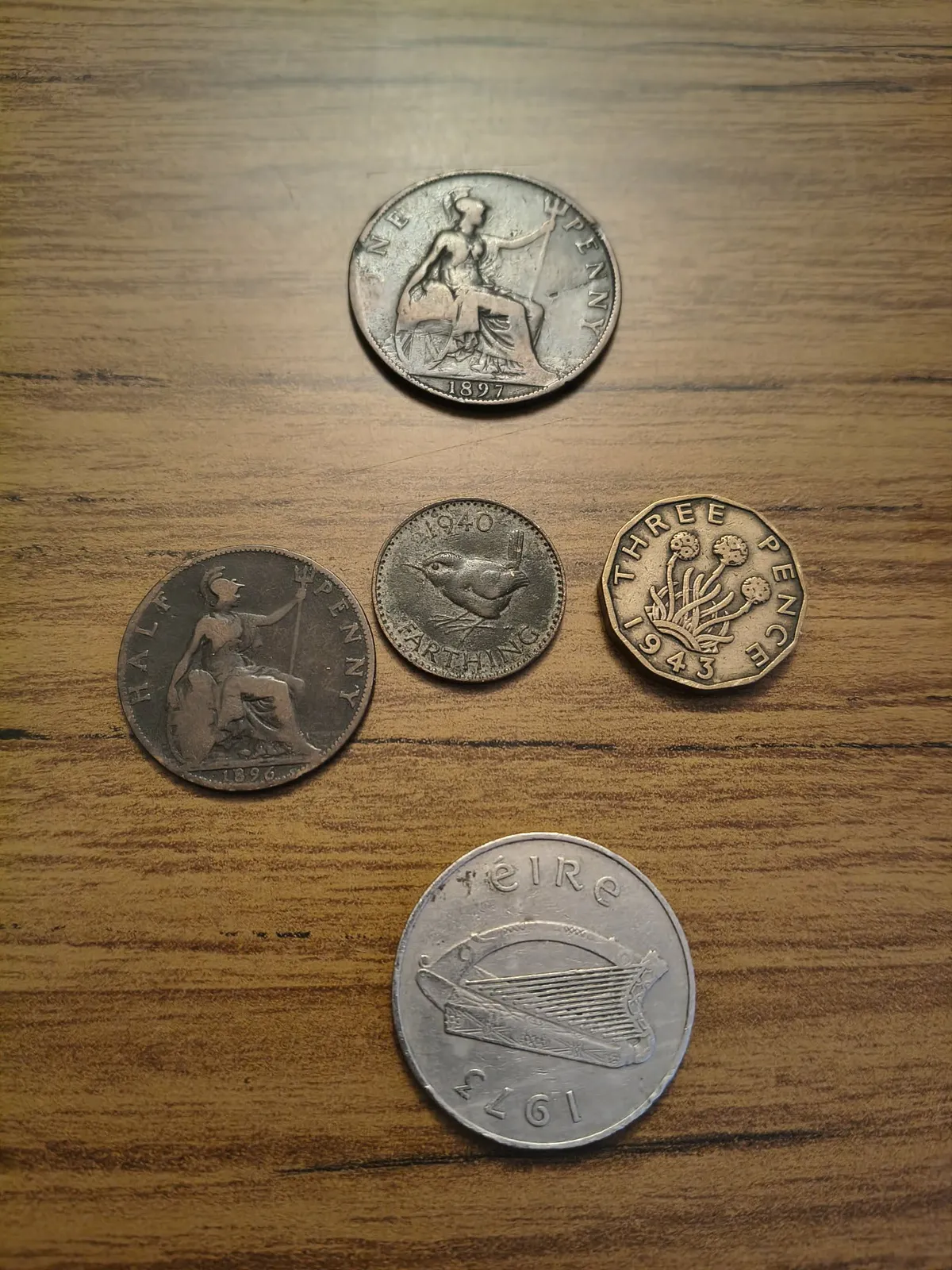
Even everyday coins become more interesting when examined this way.
How To Do It
- Place a coin under a sheet of paper on a firm surface. A small piece of blu-tack underneath keeps it from shifting.
- Hold the paper steady.
- Shade lightly over the coin with the side of a pencil or crayon. Pencils tend to give the sharpest results, but it's worth trying different things.
- Increase pressure gradually to bring out the design.
- Thinner paper produces sharper results, but ordinary printer paper is perfectly adequate.
If you can, add a date and location to each rubbing as you go. It turns a collection of images into a proper personal archive.
A Small Piece of Everyday History
Coins are among the most handled objects in history. Each one carries designs chosen to represent a place, a ruler, a period, or an idea.
When you make a rubbing, you’re not just copying a pattern — you’re recording a tiny piece of something rather special.
Foreign coins, obsolete currencies, commemorative designs, or pieces found in unexpected places can all become part of a personal archive.
Is Coin Rubbing Still Worth Doing?
Coin rubbing persists because it is simple, inexpensive, and effective. It produces something tangible without requiring storage space or specialist tools.
Even ordinary pocket change tells a story once you start looking closely.