Tales of Abbey Ruins and Historical Wonders
I’ve always been drawn to the kind of places where time seems to have settled quietly into the landscape.
Living back in Lincolnshire, I’ve spent a lot of time exploring the old and often overlooked, especially in the West Lindsey area.
These aren’t grand tourist spots with queues and guidebooks — they’re scattered ruins, faint outlines in the grass, and quiet corners where you can feel something of the past even if there’s not much left to see. They are like echoes in the wind. if you stand there for even a few minutes you can imagine life in these surroundings.
Bardney Abbey
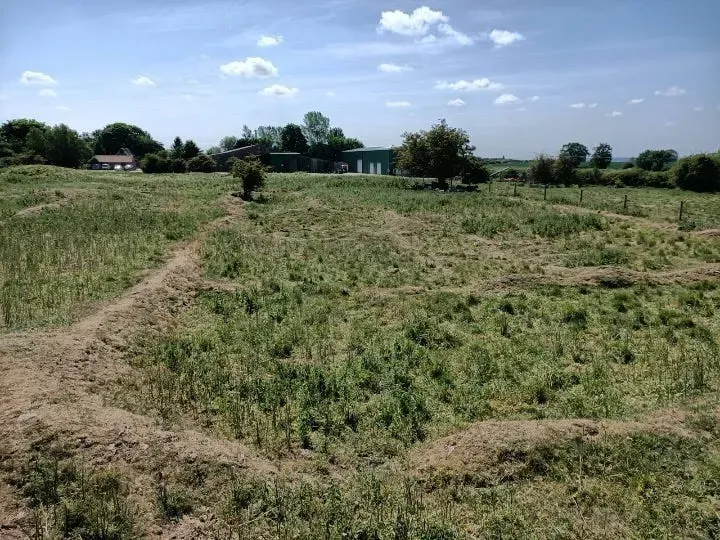
Bardney Abbey was founded in 675 AD, which is always slightly difficult to take in.
There isn’t much left now — just low earthworks and fragments of foundation — but it was once a significant religious centre, known for its library and manuscript work. Like many places, it was damaged by Viking raids, rebuilt, and eventually dissolved under Henry VIII.
What remains is quiet.
There’s no structure to walk through, no walls to follow, just the suggestion of what once stood there. But even so, it feels calm — the kind of place where you don’t need very much to understand that it mattered.
Tupholme Abbey
Tupholme is one of those places that’s slightly harder to leave.
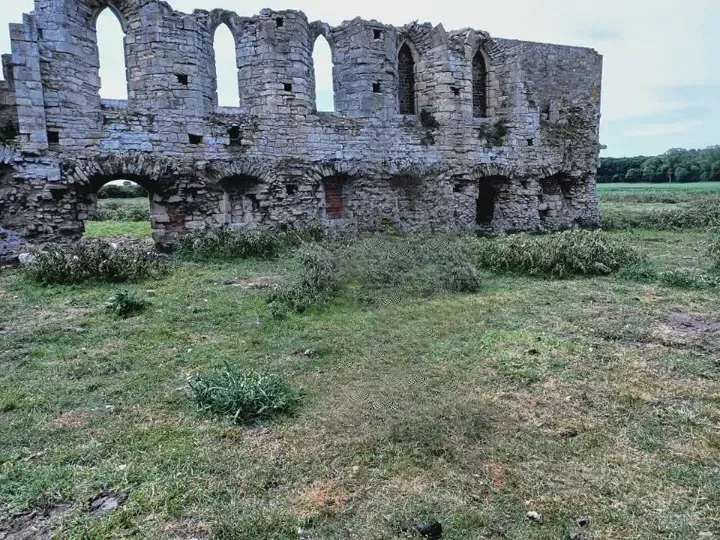
It was home to the Premonstratensian White Canons, who lived simply and communally. You park in a lay-by, walk up through a field — usually with sheep — and then the ruins appear almost without warning.
Only a single wall remains, but it’s enough.
It’s easy to imagine the rhythm of life there — footsteps worn into paths, daily routines repeated quietly, the land and the people working together in a way that feels quite far removed now.
It’s the sort of place that clears your head without really trying to.
The Lost Village of Burreth
Not far from Tupholme is the site of Burreth, a medieval village that no longer exists.
It was recorded in the Domesday Book and once had a manor and a settled community, but like many villages, it disappeared after the 14th century — likely due to the Black Death and changing economic conditions.
Now, there’s very little to see.
Just slight rises and dips in the ground, and a name that has outlasted the place itself.
But it’s enough to know it was there.
A Few More Worth Noticing
There are others nearby that don’t quite fit into one story, but are worth pausing at:
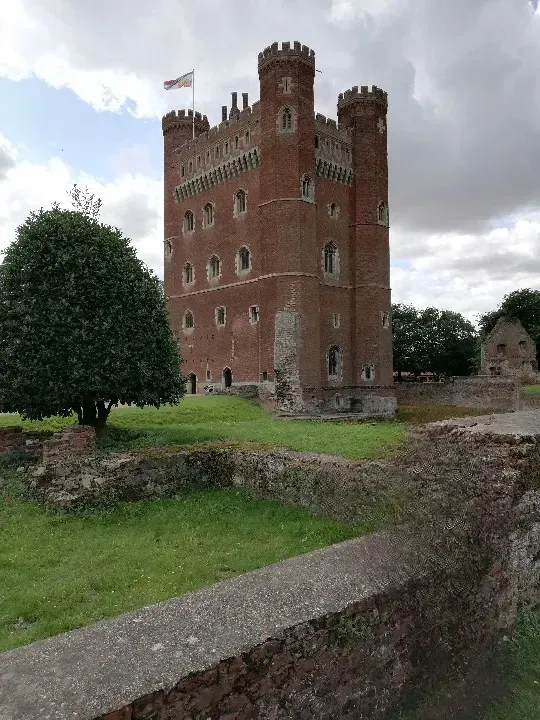
a red-brick 15th-century tower with views across the surrounding land
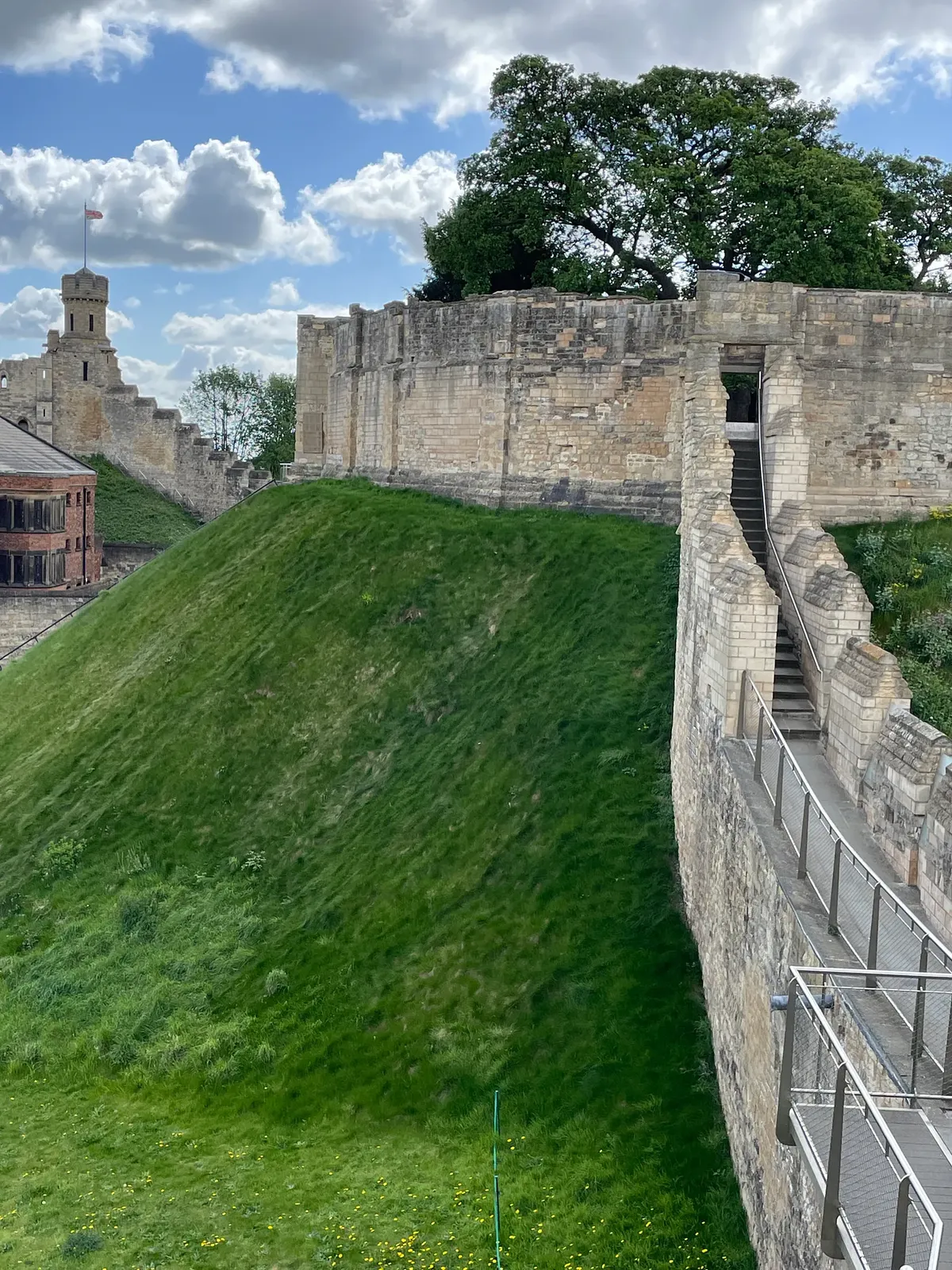
built by William the Conqueror, and still holding one of the surviving Magna Carta copies
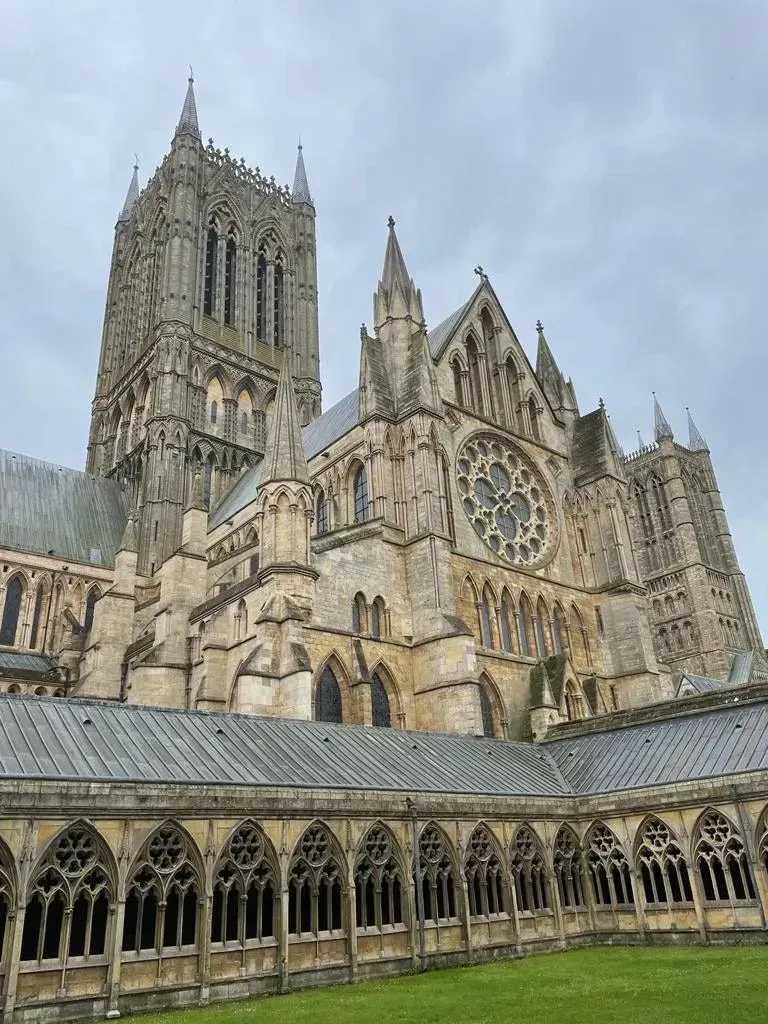
a vast Gothic structure that has dominated the skyline for centuries
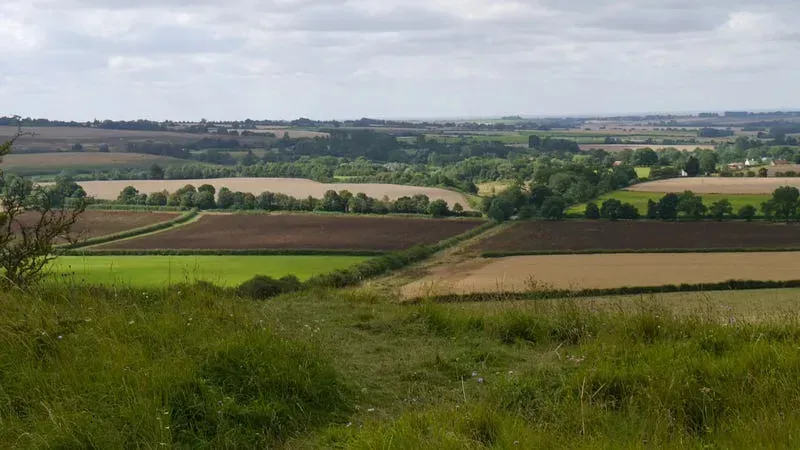
quiet hills with older traces woven through them, from ancient paths to Iron Age earthworks
I think what draws me back to these places is that they don’t need to explain themselves.
They don’t recreate or perform what they once were. They just remain, in whatever form they’ve been left in, and allow you to notice them — or not.
The more time I spend walking through places like this, the more it feels as though history isn’t always found in the events themselves, but in what’s been left behind.
Small things. Quiet things.
The sort of things that don’t ask for attention, but hold it anyway.